Your equipment in SCADA
RTUs and field devices of any brand, in their protocol: IEC 104, DNP3, Modbus. We read first, without touching the network. Commands come in proven.
IEC 104 · 61850 · DNP3 · Modbus
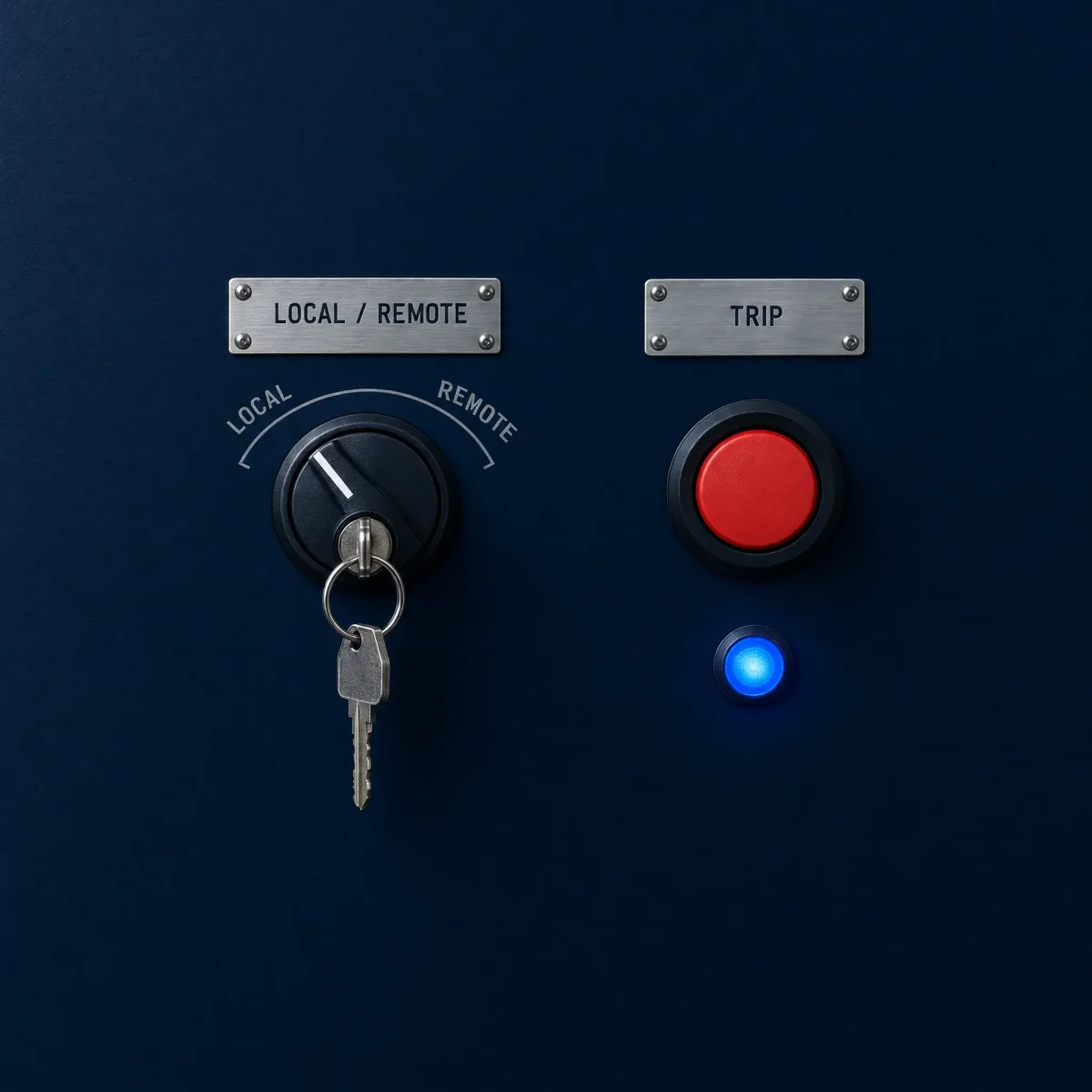
A breaker opens. An arm closes. A payment goes out. Before a model touches anything real, we define what happens and what doesn’t.
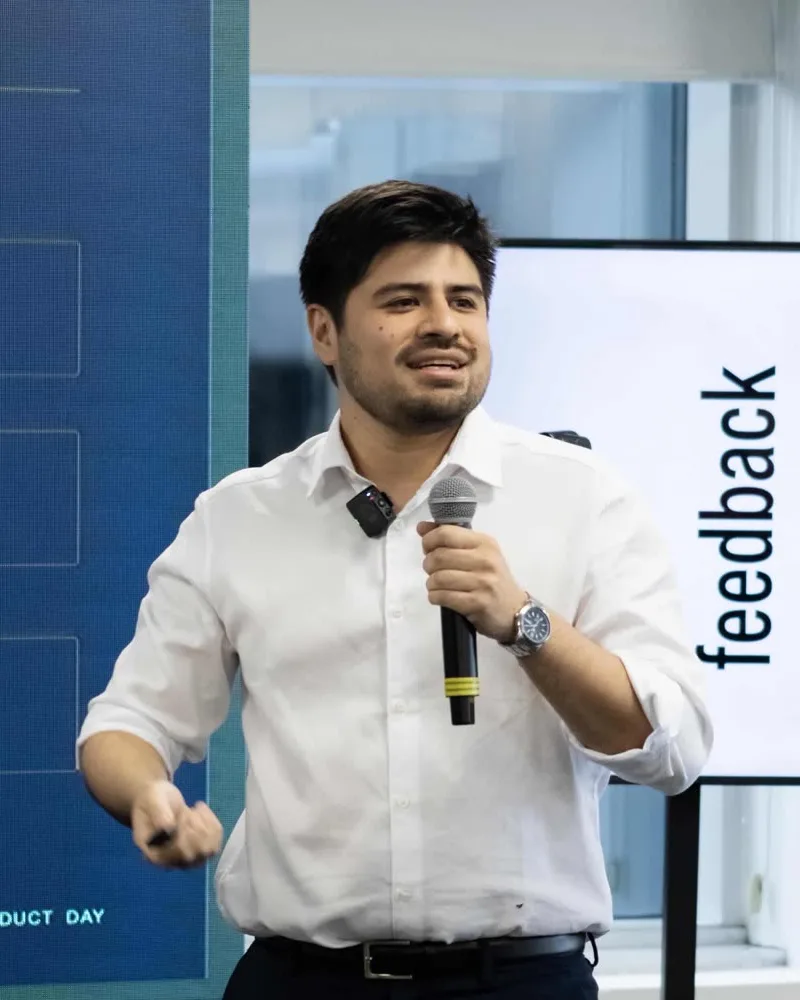
Franco Pérez, Computer Engineer. Seven years building systems where a command can’t be undone.
I talk to RTUs over IEC 104 and design systems that can’t be forged. Crisol joins the commanding protocol with the security that authorizes it.
With Digicom, an IEC 101/104 module that reads and commands inside a substation SCADA, 49 requirements traced. Before that, the SCADA for Tucumán’s grid.
In automotive manufacturing, real-time plant-floor data across 8 lines and 32 machines. I led the team that built it.
Payment routing that raised approval rates in production. Today, with Littlebird, a prediction market with custody and on-chain settlement.
Zero-knowledge tooling with Aztec and Noir, awarded at the Solana Privacy Hack. An Ekoparty talk on identity-less authorization.
We look for quality in the process, from the first conversation.
We start with your operation: who decides and where an error is expensive. The specification comes before the code: what can’t break and what gets tested.
AI agents build against that specification and we review every delivery. In operation we observe the system and what we learn goes back into the specification.
RTUs and field devices of any brand, in their protocol: IEC 104, DNP3, Modbus. We read first, without touching the network. Commands come in proven.
IEC 104 · 61850 · DNP3 · Modbus
If you already have agents or robots on your systems, we bound them: closed permissions, a person approves what matters, everything logged.
Agents · robotics · closed loop
Payments, prediction markets and on-chain settlement. Only the right transaction runs, and the reason is on record.
Markets · payments · on-chain